UT Austin’s Undergraduate Data Science Program Debuts at No. 16 Nationally
UT Austin’s undergraduate data science program ranks No. 16 nationally, just months after its first class graduated.
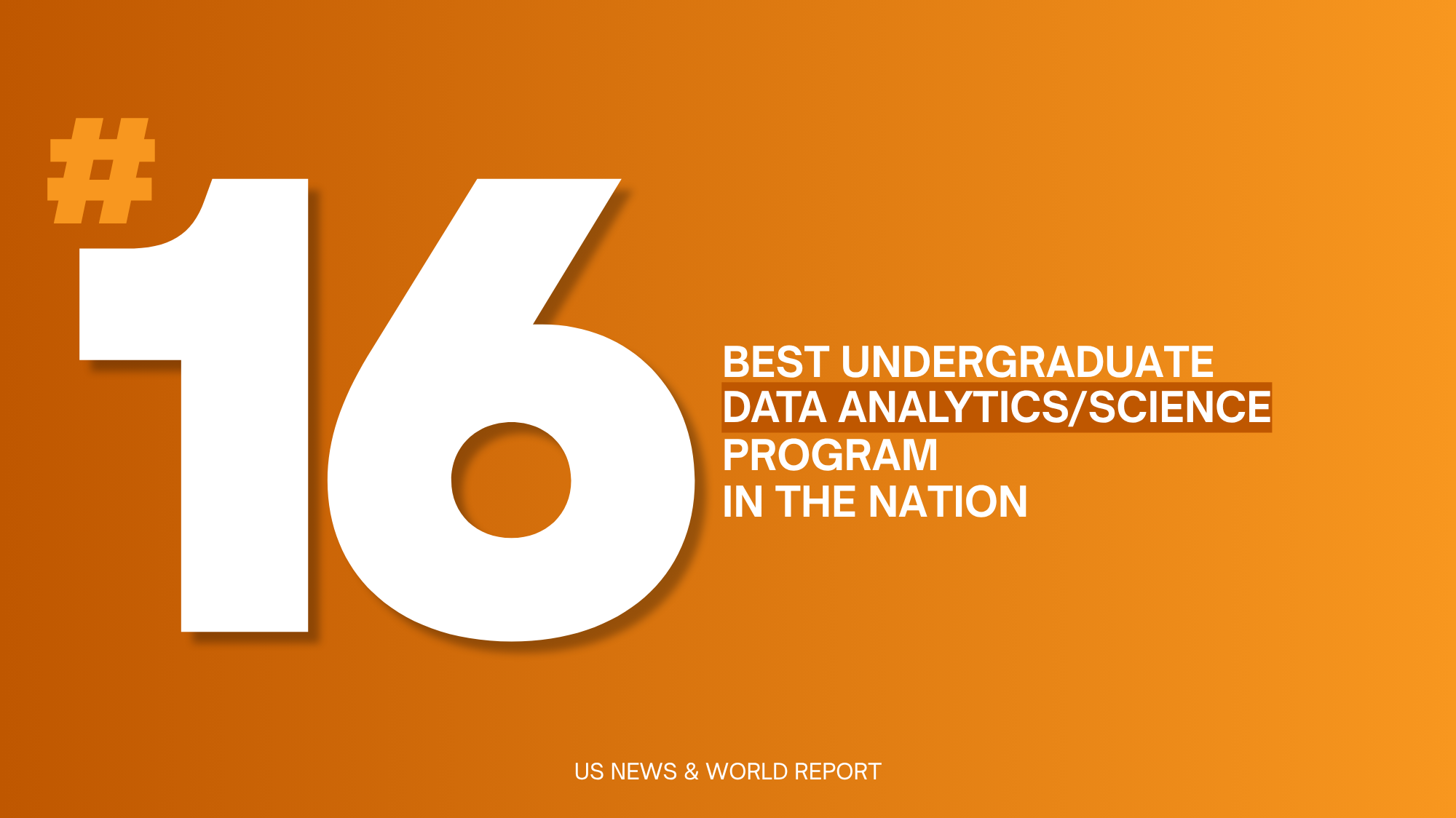
The University of Texas at Austin’s undergraduate Data Analytics/Science program ranks No. 16 nationally in the 2027 U.S. News & World Report Best Colleges rankings.
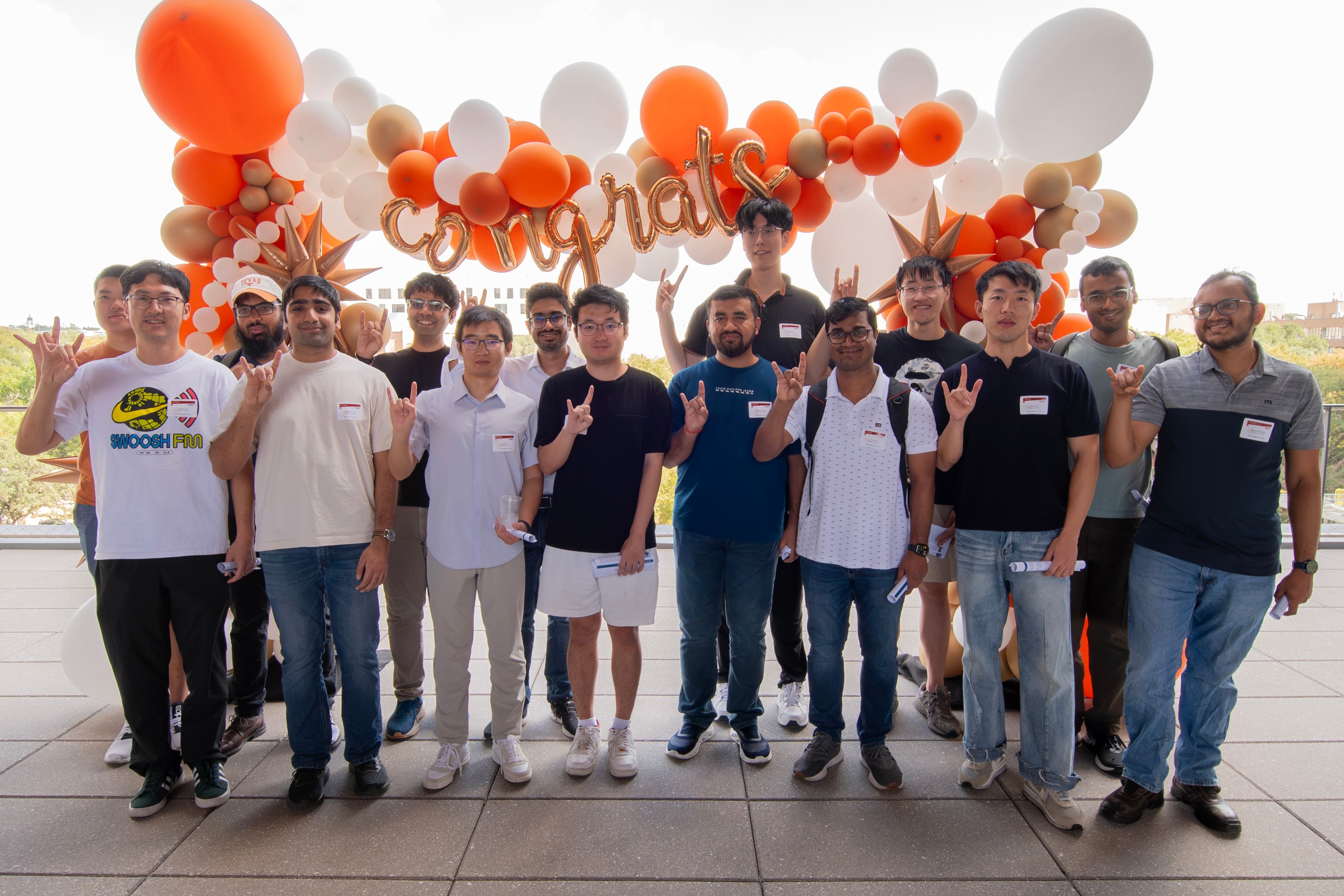
The recognition comes at an important moment for UT Austin’s Department of Statistics and Data Science. The program welcomed its first students just over four years ago, and its inaugural graduating class crossed the stage just this year.
“Our first graduating class walked the stage this past May,” says James Scott, chair of the Department of Statistics and Data Science. “Ranking among the top 16 programs nationally just a few months later tells me that students recognized the value of this degree early. We’re incredibly proud of how far the program has come in such a short time.”
The undergraduate program combines a strong foundation in statistics, mathematics and computing with opportunities for students to apply what they learn to practical problems. Its curriculum also continues to evolve alongside a field being rapidly reshaped by artificial intelligence and other emerging technologies.
“Students learn by doing, and we move quickly to reflect how data science is practiced in the real world,” Scott says. “This spring, for example, we’re launching a course on the modern software environment for data science, much of which focuses on building agentic systems that carry out data science work with AI models in the loop. Those tools didn’t even exist when our first cohort arrived on campus.”
That adaptability prepares graduates to pursue opportunities across a wide range of industries. Students have gone on to work in technology, banking, consulting, professional sports and startups, applying statistical and computational thinking wherever complex decisions depend on data.
“If you enjoy solving problems and want the freedom to choose the domain in which you solve them, statistics and data science give you that opportunity,” Scott says. “At its heart, this work is about people. A data scientist’s job is to help someone make a better decision than they could have made without the data, and that requires understanding the evidence well enough to explain it clearly.”
The program is part of UT Austin’s School of Computing, which brings together the Department of Statistics and Data Science, the Department of Computer Science and the School of Information. That structure gives students access to complementary expertise spanning statistical reasoning, computational methods and the ways people interact with information and technology.
“Data science runs on the newest computational tools, and being part of the School of Computing puts our students next to the people building them,” Scott says. “But the fit runs deeper than that. Computer science provides the scale, algorithms and automation needed to work with today’s vast data sets, while statistics ensures that the results meet the evidentiary standards that decision-makers and stakeholders can trust. Our program develops both capacity and credibility, and the School of Computing brings those strengths together under one roof.”
As AI expands the reach and influence of data-driven systems, Scott believes the ability to evaluate evidence and communicate clearly will only become more important.
“I can’t imagine a future in which the ability to reason and communicate clearly about models, data and algorithms isn’t one of the most valuable skills a person can have,” he says.
Interested in turning data into meaningful insights? Learn more about UT Austin’s Bachelor of Science in Statistics and Data Science, including the curriculum, career paths and admissions process.